Giving medicine to pets can feel like an impossible task. Whether it’s a picky cat, a dog that spits out tablets, or an exotic animal with unique needs, standard medications don’t always work. That’s where veterinary compounding steps in, offering tailored solutions to ensure your beloved companion gets the treatment they need, without the drama.
In this article, we’ll explore:
- Why is Compounding Essential for Pets?
- Custom Flavours and Forms: Making Medicine Palatable
- Innovative Dosage Forms: From Creams to Solutions
- Filling the Gaps: When Commercial Medicine is Unavailable
- Partnering for Pet Health: The Role of Your Vet and Pharmacist
Why is Compounding Essential for Pets?
Just like humans, every animal has unique medical needs, and a “one size fits all” approach rarely works. Compounding for pets, often called veterinary compounding, allows a pharmacist to prepare a medication tailored to the specific needs of an individual animal, species, or breed.
Common challenges that compounding can overcome include:
- Difficulty administering standard tablets or capsules.
- Unpleasant tastes that cause pets to refuse medicine.
- Dosing that is too high or too low for the animal’s weight or size.
- The need for a discontinued or temporarily unavailable medication.
Custom Flavours and Forms: Making Medicine Palatable
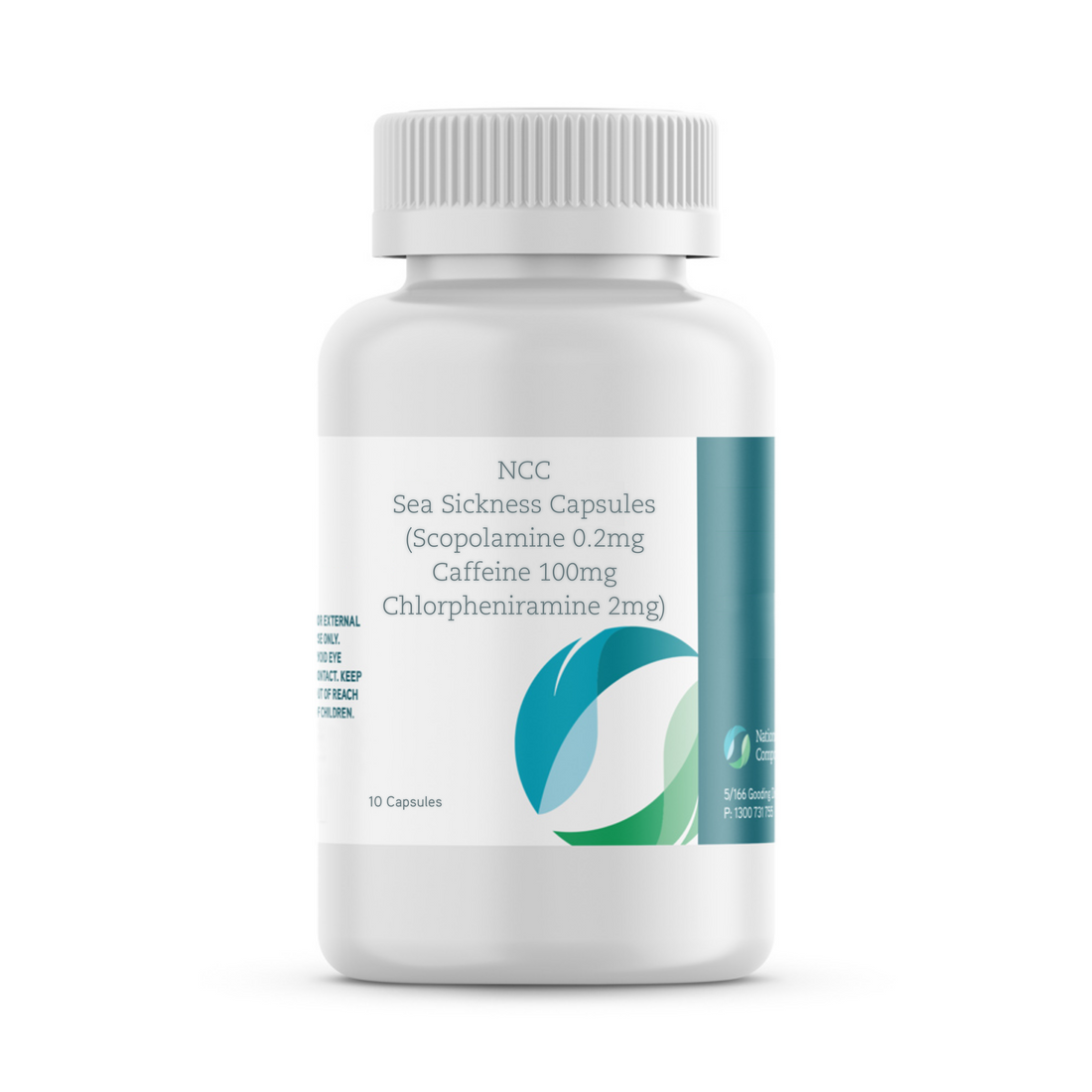
One of the most frequent reasons a pet won’t take its medicine is the taste. A cat, for example, will likely refuse a strawberry-flavoured antibiotic tablet, no matter how much you try to hide it.
A compounding pharmacy can transform these medications by:
- Adding Pet-Specific Flavours: For cats, this could be tuna, chicken, or liver. For dogs, beef, peanut butter, or bacon.
- Changing the Form: Turning a large, hard-to-swallow tablet into an easy-to-administer liquid suspension, solution, chewable treat, or even a soft paste.
This customisation drastically increases the chance that your pet will willingly take its full dose, leading to a much smoother treatment process for both you and your furry friend.
Innovative Dosage Forms: From Creams to Solutions
Beyond flavouring, compounding pharmacies can create innovative ways to deliver medication that bypass the oral route entirely, which is essential for pets with gastrointestinal issues or those who are impossible to medicate orally.
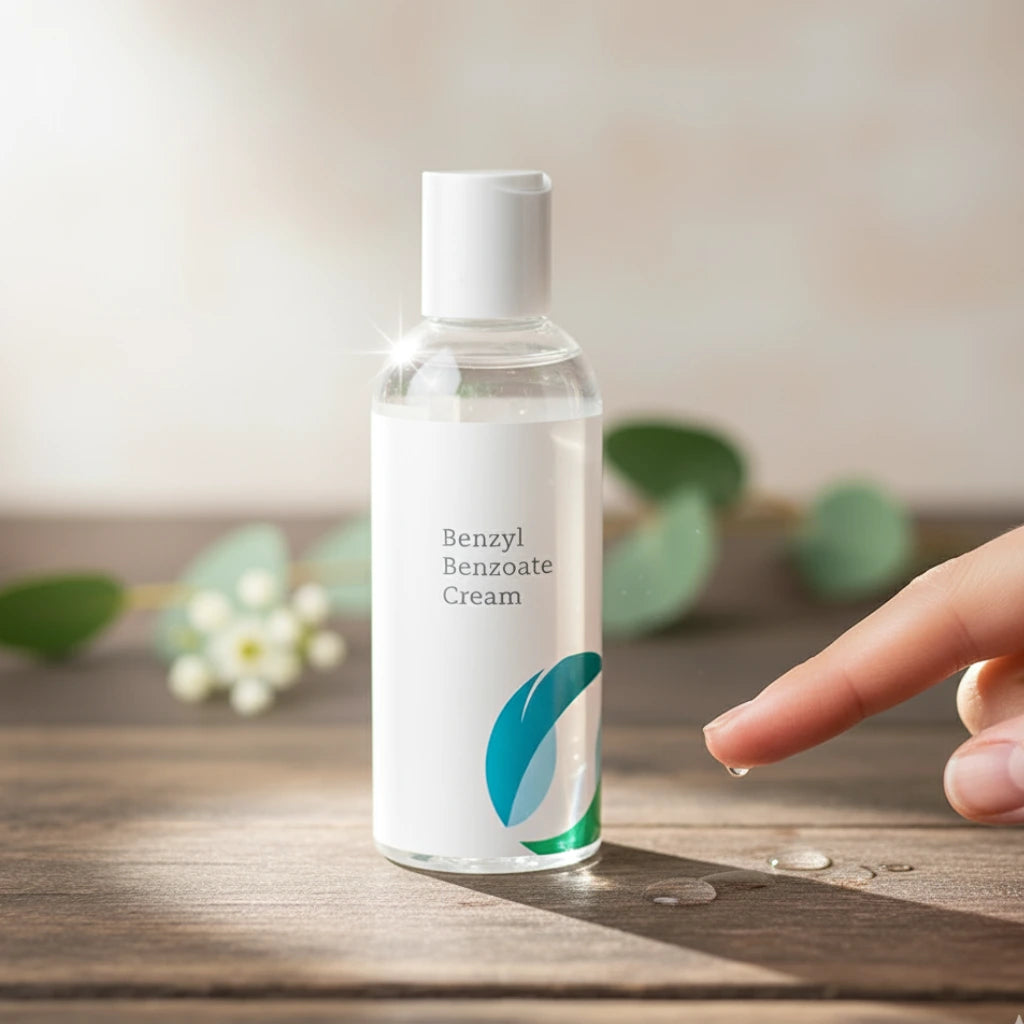
A great example is the use of transdermal creams, especially for cats. Certain medications, like Methimazole (used to treat hyperthyroidism in cats), can be formulated into a cream that is rubbed into the inner ear (pinna). This allows the drug to be absorbed systemically through the skin, often proving to be a highly effective and stress-free method of delivery, especially when the oral route is problematic.
Compounding pharmacists can also prepare:
- Ophthalmic (eye) and Otic (ear) preparations.
- Implants or sterile injectables (in collaboration with a vet).
- Small-volume liquids for very small or exotic animals.
Filling the Gaps: When Commercial Medicine is Unavailable
Sometimes, a commercially manufactured medicine for animals is temporarily unavailable due to a supply shortage or has been permanently discontinued. This can be a significant concern for pet owners relying on that specific treatment.
Compounding pharmacies provide a vital service in these scenarios, often able to prepare the required medication in small, customised batches. Furthermore, medicine for less common or exotic pets—such as guinea pigs, dolphins, or zoo animals—is rarely mass-produced. Compounding ensures that veterinarians treating these diverse species have access to the specific drugs they need, in the right concentrations and forms.
Partnering for Pet Health: The Role of Your Vet and Pharmacist
It is important to remember that most veterinary medicines are prescription-only. The compounding process is a collaborative effort:
- Your Vet: Provides the diagnosis and determines the best course of treatment, including the specific drug, dose, and frequency.
- Your Compounding Pharmacist: Works with the vet’s prescription to prepare the medicine in the most suitable form and flavour for your pet.
By working with a trusted, high-quality compounding pharmacy, you ensure that your animal receives a medication that is accurately prepared, right for their specific size and needs, and easy for you to administer. This partnership helps ensure your loved animal goes home happy and well.
If your pet is struggling with taking its medicine, reach out to your veterinarian to discuss if a compounded option could be the right solution.
Video Transcript
Hi there. We’ve got a really cool topic to talk about today. It’s what are the benefits of compounding for pets? Like you guys? You might have a four legged friend. We’ve got a whistler at home who is absolutely the love of our life. The only thing that we do struggle with is how do you give them medicine that humans might tolerate? And that could be a big antibiotic tablet. It could be a cream that you’re used to using on yourself. But dogs don’t always, and cats and any other animal for that reason, don’t always agree and take the medicines that we ourselves do. So that’s where compounding pharmacies like ours fit in perfectly. It’s not a one size fits all approach. It’s everyone has their own unique needs. Compounding pharmacies with the facilities can make up what is required. So pets are an awesome example of a species that compounding pharmacies commonly compound for. It could be a really simple start, such as you’ve got a cat. You know the cat likes tuna flavor, but the antibiotic that typically is supplied by Big Pharma might be a strawberry flavor. So you know the cat’s not going to take it. So a compounding pharmacy has the ability to make up a suspension or solution with a unique tuna flavor in it, so that you can hopefully have a much better chance of giving your cat that medicine. Some other cool examples for pets and compounding are things like transdermal bases. Now this is where certain products, one is called methimazole, used in cats quite often, is not easily absorbed orally. Therefore, we can make it into this handy device that is a cream and is rubbed into the inner ear of a cat, which gets a systemic absorption. So it works just like any other medicine. But thanks to the unique ways of compounding, we can make this up for a pet where it may not be commercially available. And of course, we work really closely with vets because a lot of this medicine is prescription only still for your pet. So you do work with your vet. Your vet will then work with a compounding pharmacy that they can trust, and we can get whatever medicine you would like made. The other benefit, like I said, are certain things like unavailable medicine. So you do find that when commercial medicines for animals are unavailable, a community compounding pharmacy like ours is on call and able to make that medicine for you in small amounts specific to your pet. And just to make it really, really simple to access when commercial routes are not so simple. So other cool animals that we’ve made medicine for include things like guinea pigs. They’re not always that common the medicine through normal vet lines. We make things for other species at the zoo. Dolphins included. So Compounding Pharmacy is one of those really unique providers of medicine that is well suited to make medicine for animals. And like we all know, animals are loved as much as humans in the average home. So by using a compounding pharmacy, you know you’re going to get a high quality product. It’s going to be a right fit for that particular animal. And hopefully everyone goes home happy and well at the end of the day. Otherwise, reach out. If you’ve got any questions, chat to our pharmacist. If you’ve got a pet that needs some medicine help and we look forward to helping you soon.